
Last updated November 20, 2026
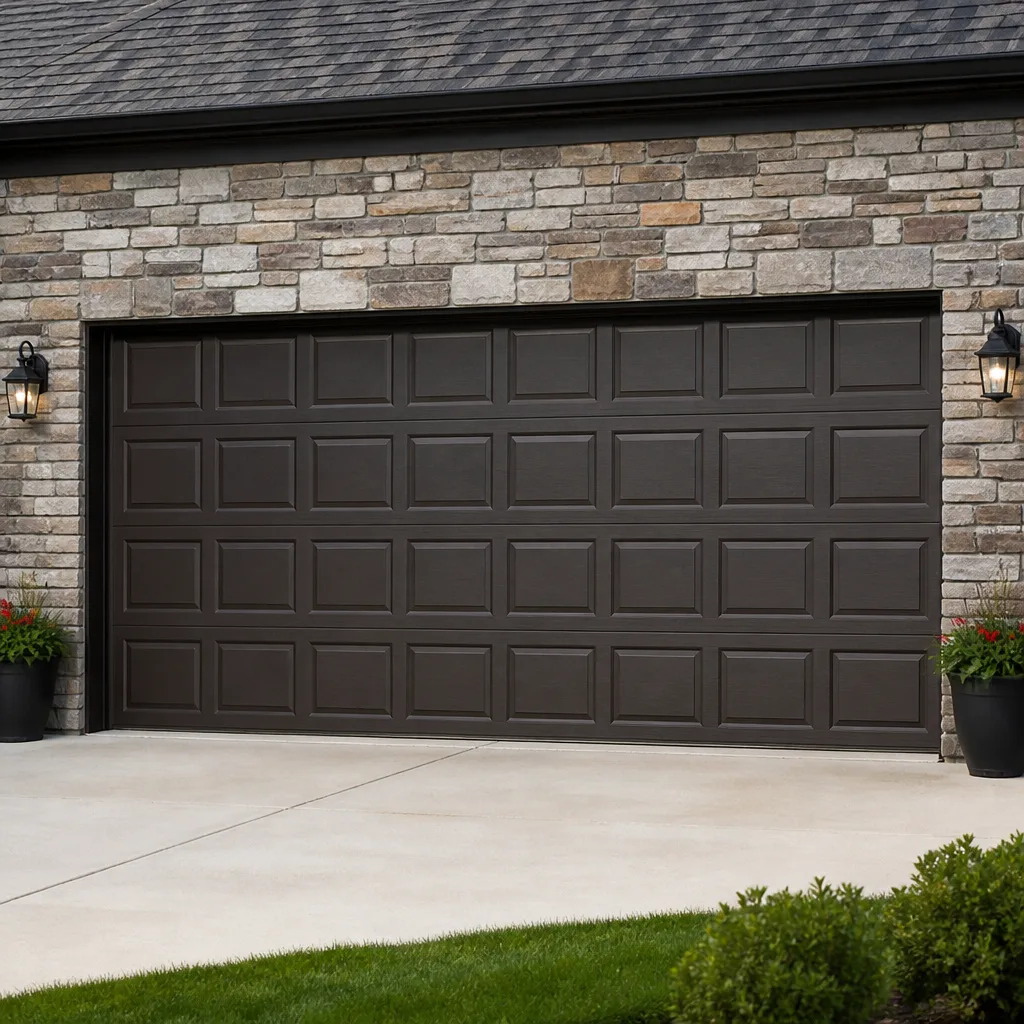 Raised-panel steel
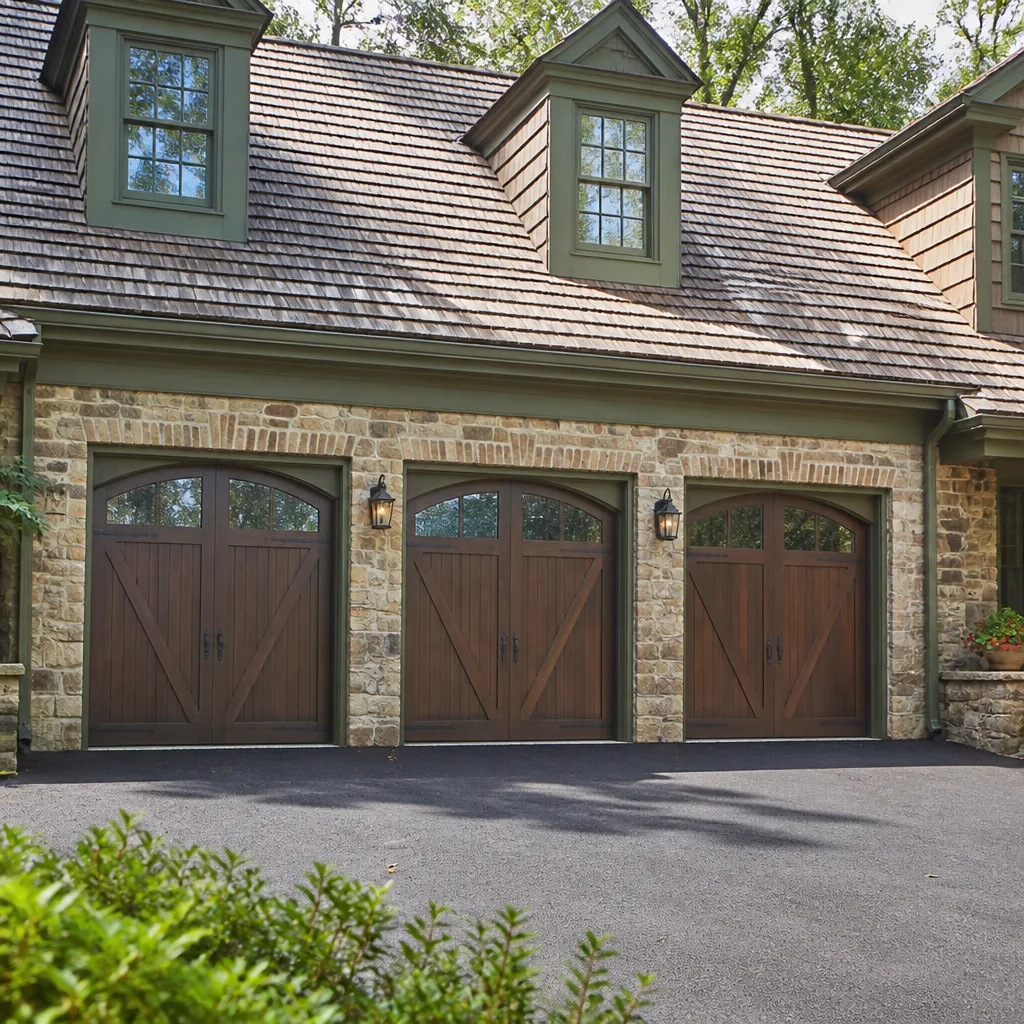 Carriage house
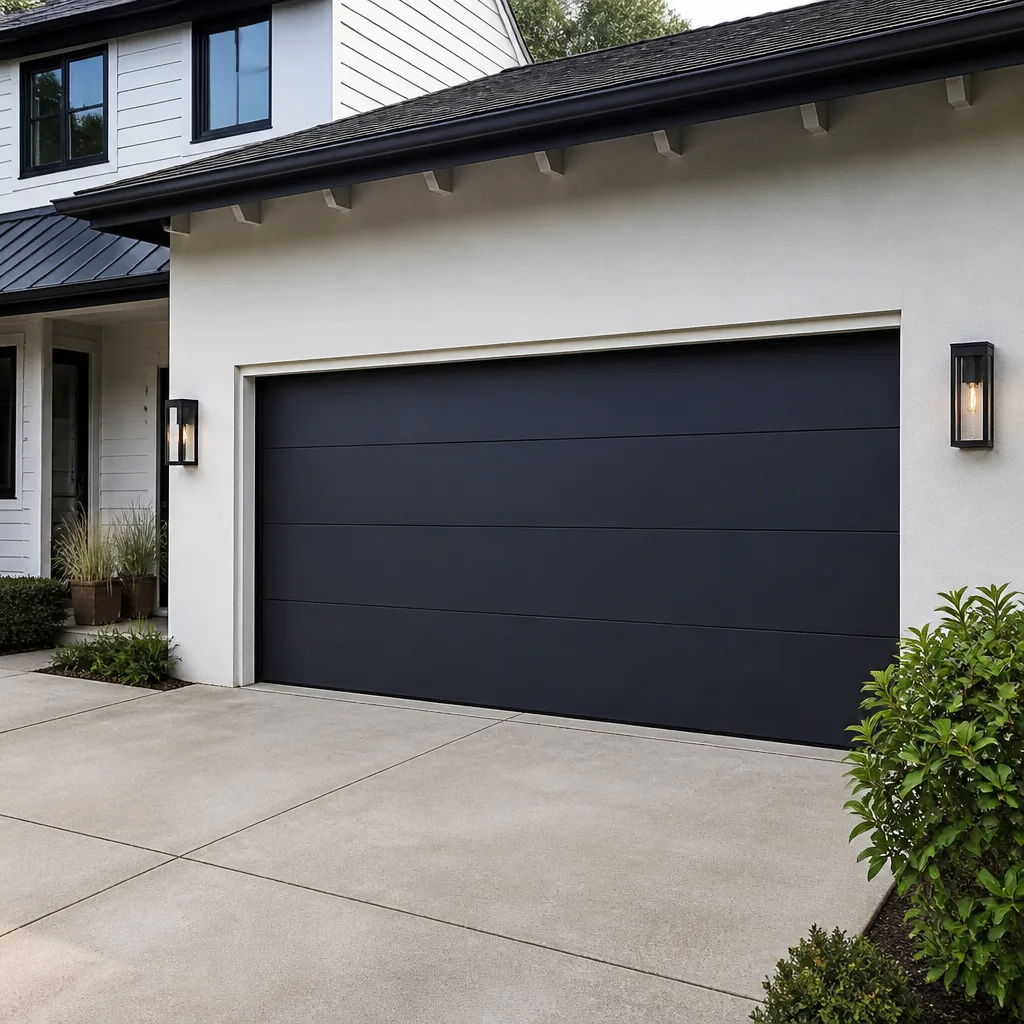 Modern flush
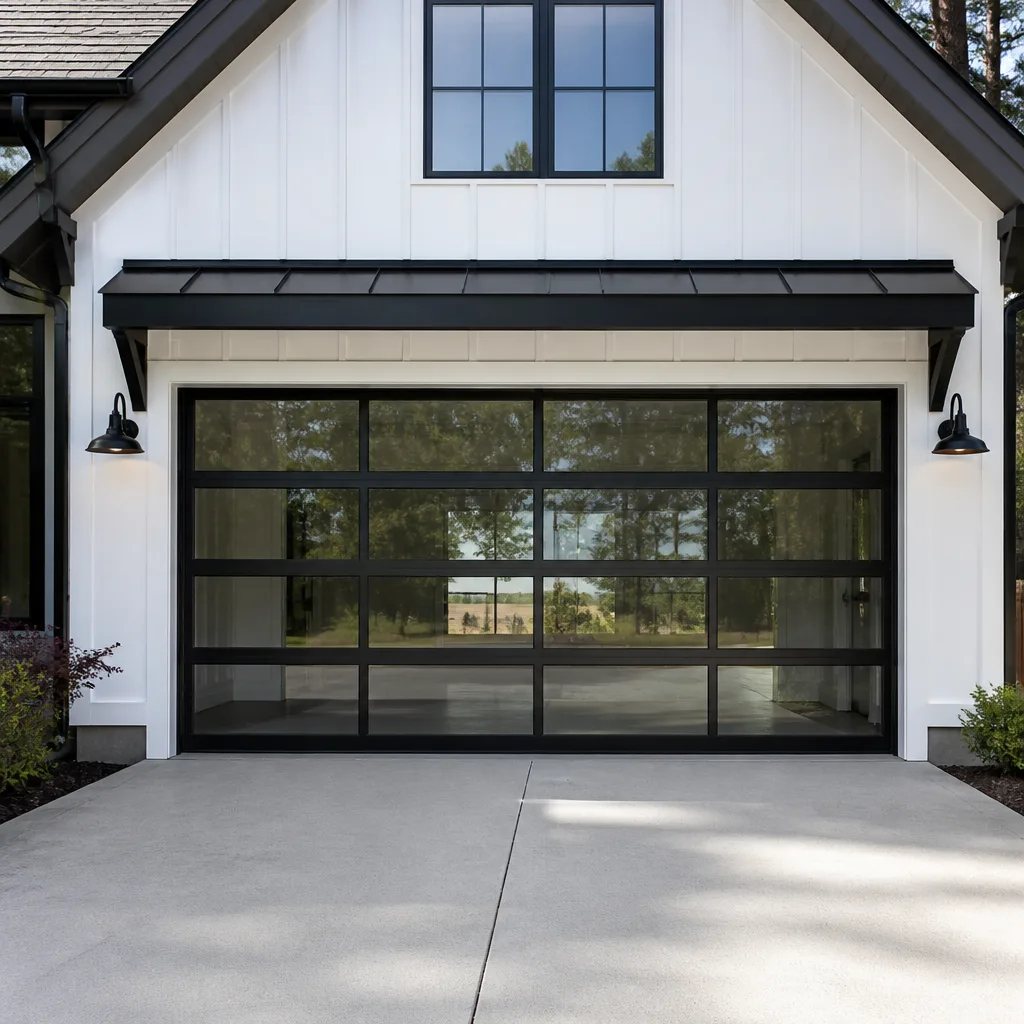 Full-view glass
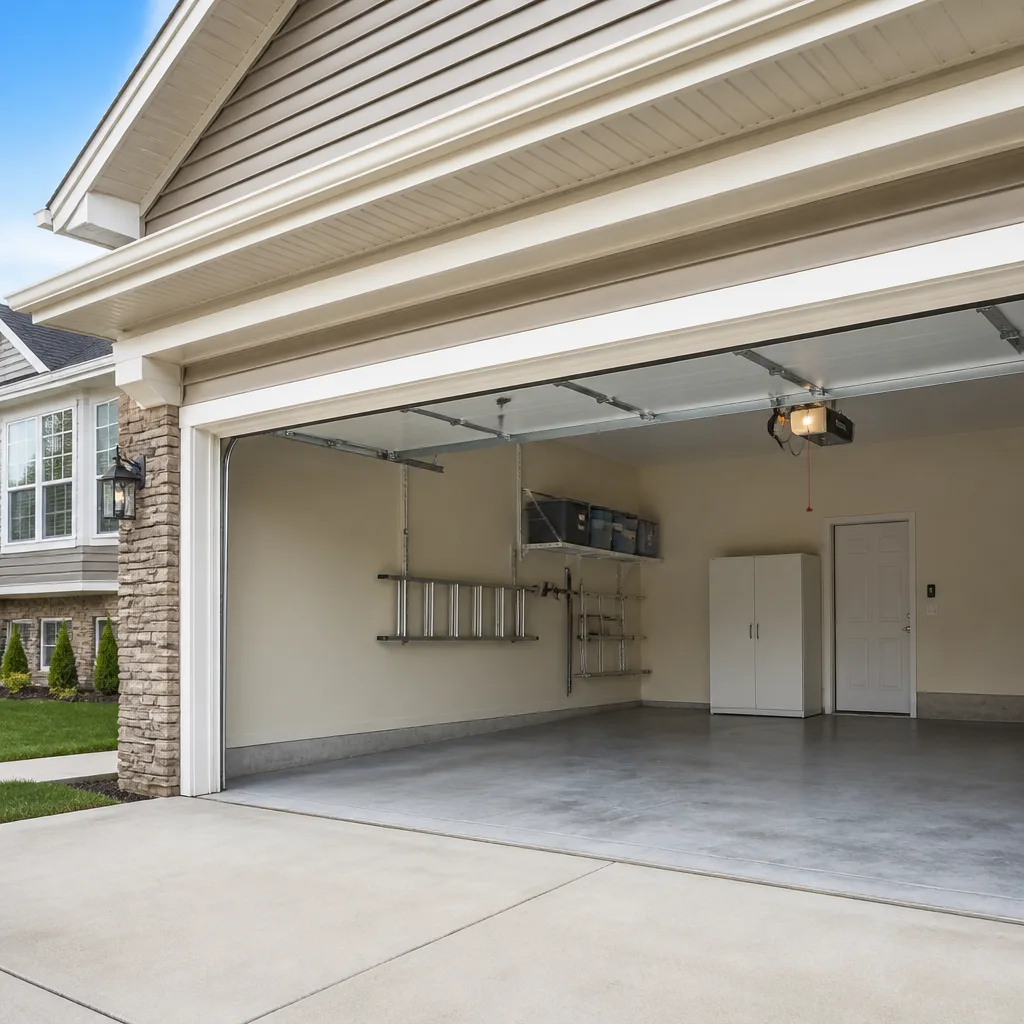 LiftMaster openers
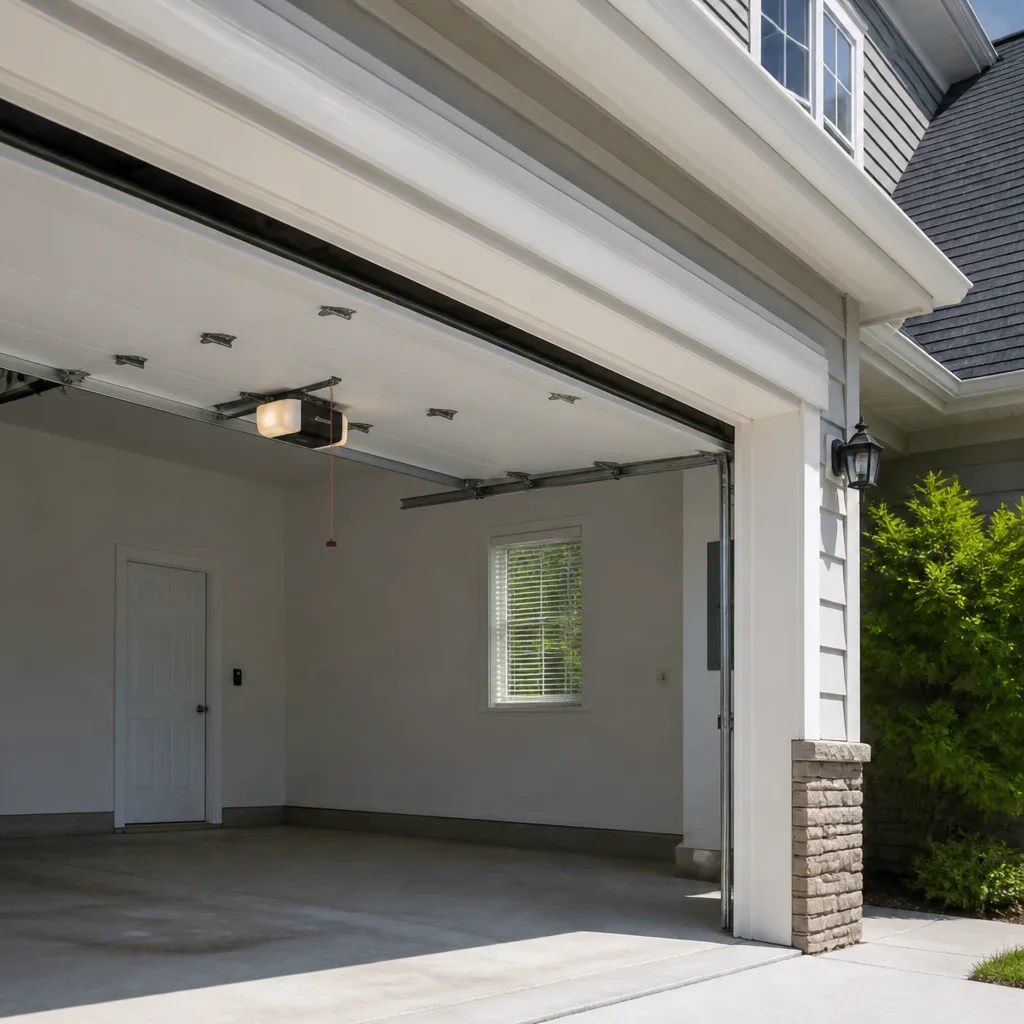 Chamberlain openers
Full 25-point door and opener safety check with every visit - springs, cables, rollers, tracks, and your LiftMaster or Chamberlain opener included
You get a price before we start. It does not change when the pro arrives.
Get your free estimateHow to Hire a Garage Door Contractor in Arlington: A Step-by-Step Guide
Most homeowners in Arlington start their search the same way: something breaks, they open a browser, and they call whoever answers first. The trouble is that “garage door contractor” in Arlington, VA covers two very different things. There are dedicated specialists who work on nothing but doors, openers, and springs, and there are general handymen who list garage doors as one line among a dozen trades. A torsion spring holds a serious amount of stored energy, and the skills that make a good generalist do not transfer to that work. Below is the vetting process we’d want a neighbor to use, whether they hire us or anyone else: how to check licensing, what to ask on the phone, what a real written estimate looks like, and where cheap quotes tend to go wrong.
Quick Answer
To hire a garage door contractor in Arlington, verify the company holds a Virginia contractor license classification that covers the work, ask three diagnostic questions on the phone about spring type, part sourcing, and service scope, and insist on a written estimate that itemizes labor, parts, spring cycle rating, and warranty terms before any work begins. A specialist will answer all three clearly and quickly; a generalist usually can’t. Get two or three quotes, and treat the highest and lowest with equal suspicion.
Styles & brands we work with
- Raised-panel steel
- Carriage house
- Modern flush
- Full-view glass
- LiftMaster openers
- Chamberlain openers
Table of Contents
- Why Garage Door Hiring in Arlington Is Trickier Than It Looks
- How Do You Verify a Garage Door Contractor’s License in Arlington?
- The Three Phone Questions That Separate Specialists From Generalists
- How to Read Reviews Like a Garage Door Specialist Would
- What a Legitimate Written Estimate Must Itemize
- Why the Lowest Quote Often Costs the Most
- Spring Work and Safety: What to Ask Before Anyone Touches the Door
- Brand and Parts Questions Worth Asking
Why Garage Door Hiring in Arlington Is Trickier Than It Looks
Arlington’s housing stock creates an unusual range of garage door problems under one small geographic area. A 1920s bungalow in Ashton Heights with a detached single-car garage and a manual lift door has almost nothing in common with a newer townhouse in Ballston or Clarendon, or a mid-century rambler out toward Yorktown with an attached two-car garage and a chain-drive opener. The age spread is real. Some doors in the county have been in service for decades; others are recent installs with high-cycle springs and smart openers built around LiftMaster or Chamberlain logic boards.
Then there’s the climate. Arlington summers run hot and sticky, and the freeze-thaw swings of a Northern Virginia winter work a garage door hard. Wood panels absorb and release moisture and move at the joints. Steel panels expand and cool, which is one reason weather seals and bottom rollers take a beating. Springs cycle hundreds or thousands of times a year, and eventual failure isn’t unusual. None of this is a crisis, but it does mean a contractor working in Arlington needs to be comfortable diagnosing an old door and a new one on the same day.
The bigger point is that Arlington has a dense market for home services. Dozens of general handyman companies list garage doors, and the big-box stores sell installation. That abundance makes price comparison easy and quality comparison hard. Sorting the two apart is the whole job of this guide, and it starts with the license.
How Do You Verify a Garage Door Contractor’s License in Arlington?
Virginia separates contractors by classification and by trade. A licensed contractor is classified by the dollar value of jobs they take: Class C for smaller jobs, Class B and Class A for larger ones. On top of the classification, contractors can hold specialty licenses tied to a specific trade. Garage door installation and repair is mechanical work, and it falls into a specialty classification rather than general handyman work. General handymen cannot simply list garage doors on their scope and be licensed to do it.
Verification is straightforward, and you do it before the estimate:
- Look up the business on the Virginia Department of Professional and Occupational Regulation (DPOR) license lookup. Search by company name and by the name of the person who will be on site.
- Confirm the license classification and specialty are current and not expired or suspended.
- Ask whether the company carries general liability insurance that specifically covers garage door mechanical work, and ask for a certificate of insurance.
- Ask the same about workers’ compensation coverage for anyone who will be on the property.
A torsion spring replacement involves components under significant stored torque, so the question that actually matters isn’t “are you licensed?” as a yes/no. It’s “does your liability coverage extend specifically to garage door mechanical work?” A contractor can be fully licensed as a general handyman and still not be insured for the work you’re asking them to do. Get the certificate of insurance, not just a verbal confirmation.
One more thing to ask: does the company work in Arlington specifically, or does it serve the whole region from somewhere else? A company that regularly works in the county knows local permit and building department procedures. If a job needs a permit, ask who pulls it. We’ve seen enough jobs to know the answer is usually a shrug when the contractor isn’t local.
The Three Phone Questions That Separate Specialists From Generalists
You can usually tell what kind of company you’re talking to in the first three minutes. These three questions are not trick questions; they’re the basics any garage door specialist answers without hesitation. If the person on the phone stumbles on all three, that’s your answer.
1. What kind of spring does my door have?
A specialist will ask you to describe the door and will usually identify the spring setup before you finish. A torsion spring mounts on a shaft above the door; an extension spring mounts on tracks along the sides. Each has a different replacement procedure and a different failure mode. If the person on the phone says “we’ll figure it out when we get there,” that’s a generalist, not a specialist. It’s also a hint that the right part might not be on hand.
2. Can you source the exact part for my brand?
Brand matters more than people realize. LiftMaster and Chamberlain openers share logic in many models; Genie has its own rail and gear design; Raynor uses specific spring and track configurations on its commercial-adjacent doors. A specialist can tell you whether they can source the part for your specific model, and can often name the part they’d bring. A generalist will offer to “see what we’ve got.” Replacement part accuracy is what keeps you from a return visit.
3. Can you handle door, opener, and spring work in the same visit?
On a lot of jobs, the spring is worn, the opener is straining, and the weather seal is shot. If the company only handles one of those, you’re coordinating multiple contractors, and the second one may arrive before the first has finished. A focused specialist handles all three. That is exactly the model we built around: springs, openers, panels – one call covers it all. It’s also a clear signal in a phone call that you’re dealing with a specialist, not a generalist flipping through a service catalog.
How to Read Reviews Like a Garage Door Specialist Would
Almost every garage door company has a few five-star reviews and a few one-star reviews. What matters is the language in the middle. The review patterns below tell you specific things about how a company actually operates, and generic reviews about “prompt service” tell you almost nothing.
Red flags to watch for
- Return visits within 30 days. A garage door job that fails within a month almost always points to a sizing issue (spring, opener capacity), an adjustment left undone, or a wrong part. One mention is one thing; a pattern is a pattern.
- “Almost fixed it.” This phrase shows up when the technician didn’t have the correct part or didn’t understand the failure the first time. It means you’ll see them again.
- Estimates that grew. A review that says “the price went up once they got here” is worth more attention than a review that says “the price was fine.” A written estimate should be the price, and the final invoice should match it.
- Reviews focused entirely on the sales call. If a company’s reviews praise the quote process but say little about the actual work, look elsewhere. You’re hiring work, not a salesperson.
Positive signals worth weighting
- Reviews that name the specific part replaced (torsion spring, opener gear, roller) and mention that the door operated more quietly after.
- Reviews that mention the technician explaining what failed and why, in plain terms.
- Reviews that mention an itemized receipt or a warranty on the work.
Reading reviews takes ten minutes and saves you from a costly mistake. In Arlington’s crowded service market, the reviews usually sort the specialists from the generalists quickly if you know what to look for.
What a Legitimate Written Estimate Must Itemize
A written estimate is not a number on the back of a business card. It’s a document that tells you what will be done, with what parts, for how much, and what happens if something goes wrong afterward. Anything less leaves room for the price to move after the door is open. Here’s what a real estimate includes:
- Labor, by line. Not a single lump sum. Labor for a spring replacement, an opener repair, and a panel swap are different line items, and a written estimate should break them out.
- Parts, by name and quantity. “Springs” is not enough. The estimate should say how many springs, what type (torsion or extension), and which brand or model number for any opener or hardware components.
- Spring cycle rating. Garage door springs are rated in cycles, and cycle ratings vary widely. A spring rated for fewer cycles costs less up front and gets replaced sooner. The estimate should state the rating so you can compare apples to apples.
- Warranty terms. What’s covered, for how long, and what voids the coverage. Ask for it in writing, on the estimate itself.
- Any additional likely work. If the technician expects the rollers, cables, or bottom seal to need replacement based on what they’ve seen, that should be flagged before the work starts, not discovered mid-job.
- The total and the terms of payment. The price you agree to before work starts is the price on the estimate, and the final invoice should match it. If the estimate includes line for “miscellaneous” or “as needed,” ask what falls into that line before you agree.
Vague estimates hide exactly the costs that surprise people most: spring upgrades, track adjustments, opener part swaps that weren’t mentioned. If a company won’t put the details in writing, that’s not an estimate; it’s a verbal offer you have no way to enforce.
Why the Lowest Quote Often Costs the Most
Springs look simple and aren’t. A spring rated for fewer cycles can cost noticeably less than a higher-cycle spring, and the difference matters in practice. A commercial-weight door, or a heavier residential door installed in a townhouse or a two-car garage, puts more strain on the springs than a standard single-car door. If a low quote installs a residential-grade spring in a door that sees daily heavy use, the spring simply won’t last as long. You will be paying for the job again sooner than you expected.
The same pattern shows up with opener replacement. A low quote may use a smaller motor than the door actually needs, or reuse the existing rail instead of replacing it, which stresses the new motor. The result: a motor that runs hot, a door that jerks, and a part that fails sooner than it should.
That doesn’t mean the highest quote is right, either. Price should track specifically with the parts listed and the labor included. Some of the marked-up quotes you’ll get are due to scheduling overhead in a crowded Arlington market, not superior work. The check is:
- Do two or three estimates say the same spring type, cycle rating, and part numbers?
- Does the labor line itemize the scope clearly?
- Are the warranty terms comparable?
- Do the companies’ reviews describe the work that matches what they’re quoting?
If the highest quote can’t explain why it’s higher in part and labor terms, you’re paying for something other than the work. If the lowest can’t explain why it’s lower, you’re reducing something that will cost you later.
Spring Work and Safety: What to Ask Before Anyone Touches the Door
We don’t encourage homeowners to attempt spring replacement, and a specialist wouldn’t either. Torsion springs store a large amount of energy; an uncontrolled release can be dangerous. Anyone doing this work needs the proper winding bars, knowledge of proper winding procedures, and insurance for the work. Before you hire:
- Ask whether they carry specific liability coverage for garage door mechanical work, and ask to see the certificate.
- Ask whether they’ll inspect the cables and tracks along with the springs. Cable failure is one way spring work can go wrong.
- Ask what happens if a cable or track fails during the spring replacement. Does that get handled in the same visit, and at what cost?
If you’re hearing a loud bang from the garage, or the door feels unusually heavy, or the springs are visibly stretched or snapped, stop operating the door manually and get a professional out. These are the signals that the spring is at or past failure, and operating the door can make the situation worse. As a company that handles spring work, we’re careful with the safety message: it’s a real concern and a real reason to hire a specialist rather than a generalist.
Brand and Parts Questions Worth Asking
Garage doors aren’t one-size-fits-all, and neither is the equipment on them. If you’re hiring someone to work on your door, the questions below are worth asking up front. The answers tell you whether the company actually knows the equipment or is just going to look up a YouTube video on the driveway.
Most doors in Arlington are built around one of a handful of major brands. On the opener side, LiftMaster, Chamberlain, Genie, and Craftsman are common; on the door and hardware side, Clopay, Amarr, Wayne Dalton, and Raynor come up often. A specialist will know the operating differences between them. A generalist will call the manufacturer’s tech line, which can mean an extra visit.
- Do you stock or source parts for LiftMaster and Chamberlain? These two share a lot of internal logic, so a company that works both well usually has access to the right replacement boards and gears.
- Can you handle Genie’s rail and gear setup? Genie openers use a different rail and gear design from LiftMaster and Chamberlain; a technician who hasn’t worked on them will struggle.
- Are you familiar with the door hardware on Raynor and Clopay panels? These brands have specific spring and track configurations, and the wrong hardware can stress the door.
None of these questions contain traps. They’re the questions a technician should answer instantly, and they’re a reliable way to sort specialists from generalists. If you’re looking for garage door repair in Arlington, the answer to “what brands do you work on?” will tell you a lot about what kind of company you’re hiring.
Common Mistakes to Avoid
- Hiring on price alone. The cheapest quote for a spring or opener often uses a lower-cycle or lower-capacity part. It works at first, then fails sooner than a properly sized job would.
- Skipping the insurance check. A verbal “we’re fully insured” is not the same as a certificate of insurance. Ask for the certificate and read it before anyone shows up.
- Accepting a verbal quote. Without a written estimate that itemizes labor, parts, spring cycle rating, and warranty, you have no real basis for comparing two quotes, and no protection if the final invoice is higher than expected.
- Assuming “handyman” covers it. In Arlington, general handyman registration doesn’t extend to garage door mechanical work. A handyman with a pickup and a ladder can adjust a track; a spring or opener job is another thing entirely.
- Ignoring return-visit patterns in reviews. One bad review is one bad day. A pattern of “had to come back” or “almost fixed it” tells you something about the company’s process, not just its luck.
- Not asking about spring cycle rating. Cycle rating is where a cheap job and a proper job differ. Ask what cycle rating the estimate includes; if the answer is a shrug, you’ve learned something.
- Letting a noisy or jerky door run “for now.” A straining opener or a worn spring will fail eventually, and the cost to repair climbs if you wait. If the door sounds wrong, call it in.
See the difference
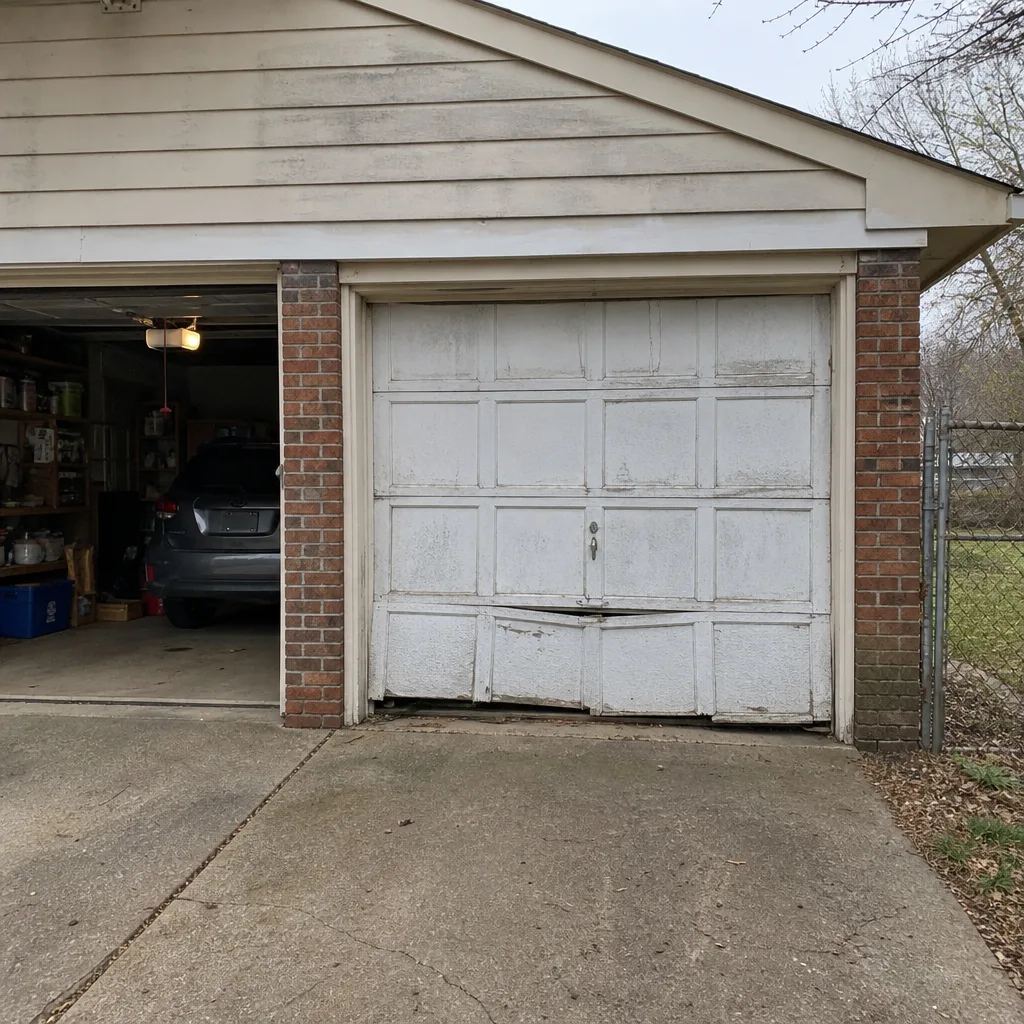 Before
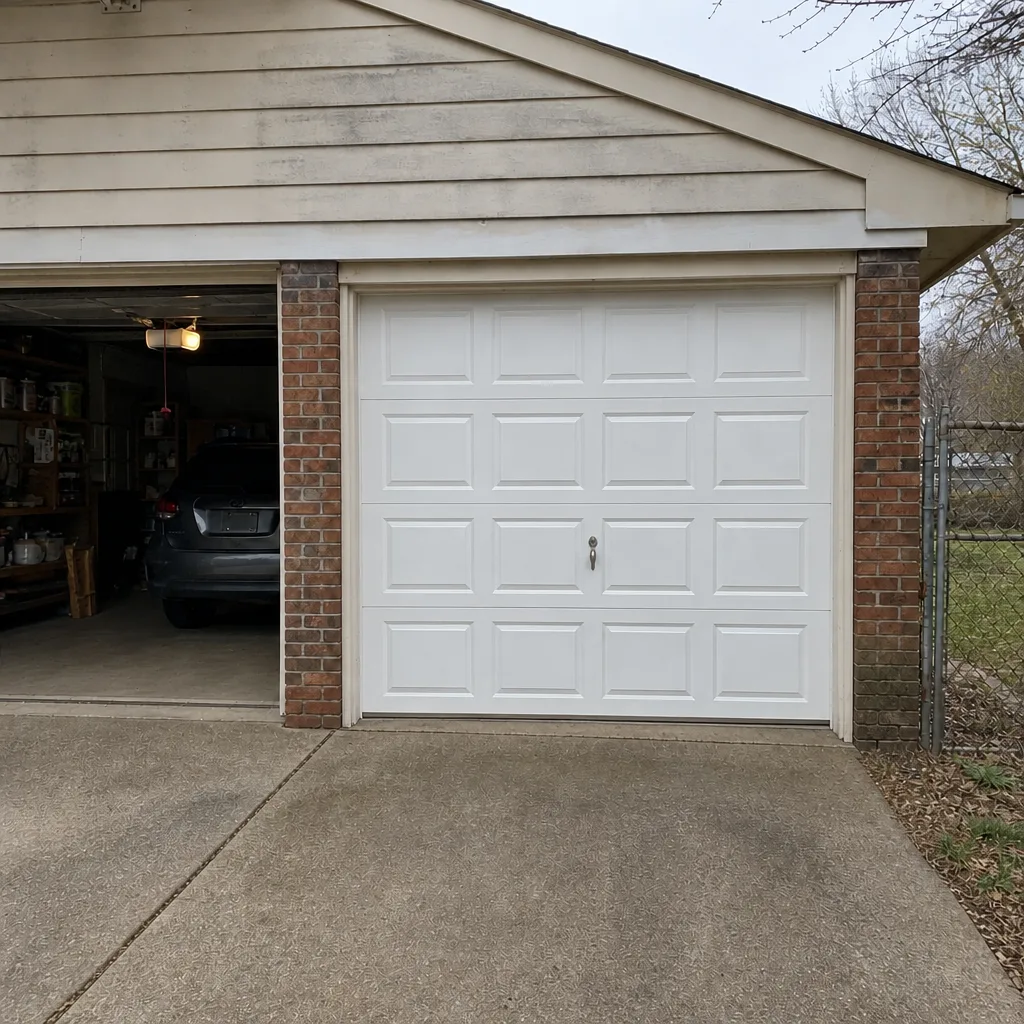 After
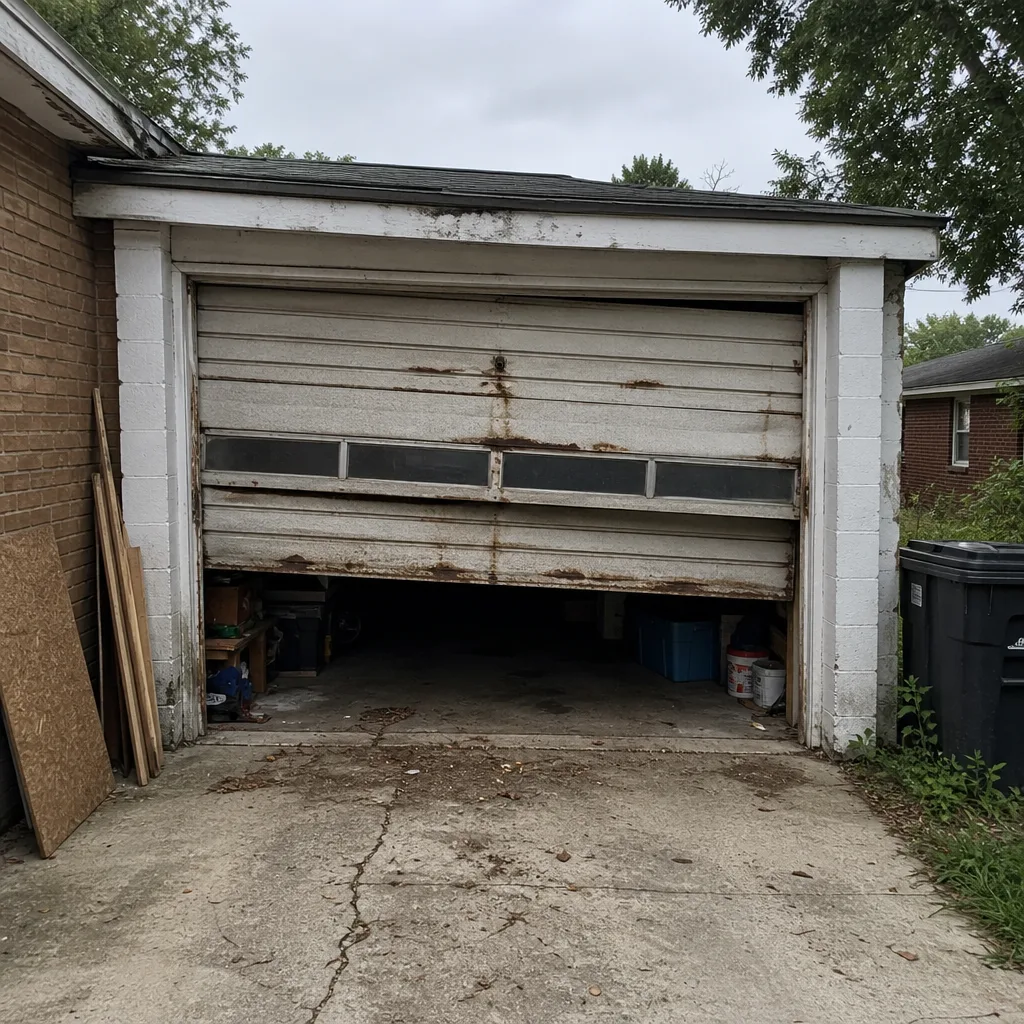 Before
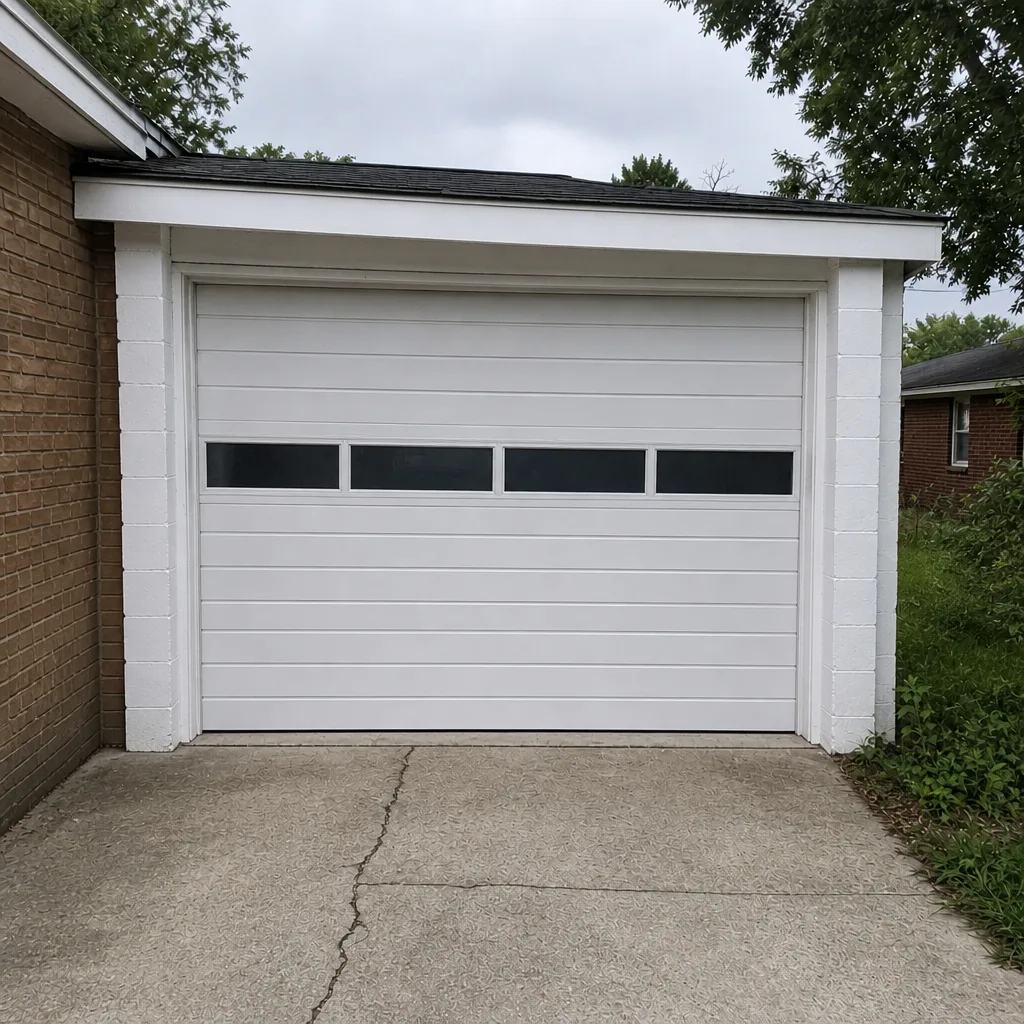 After
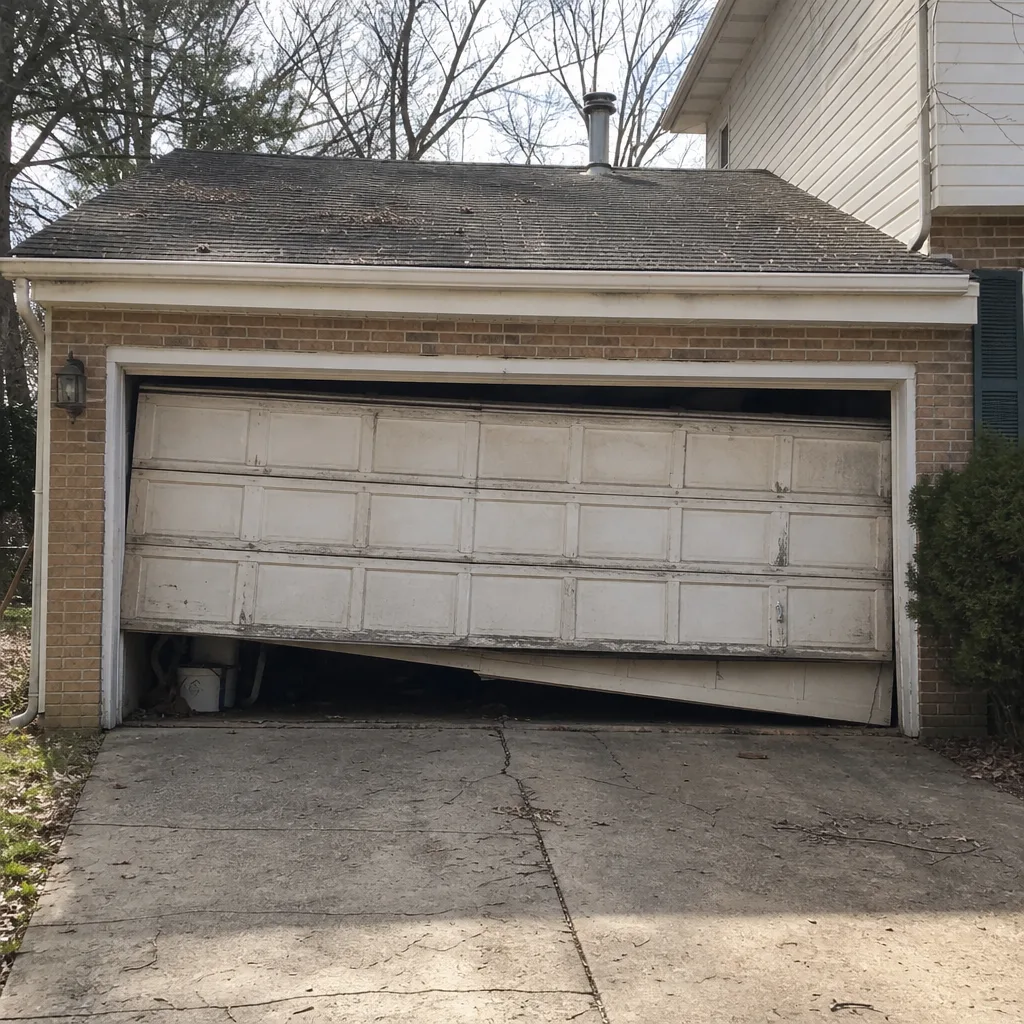 Before
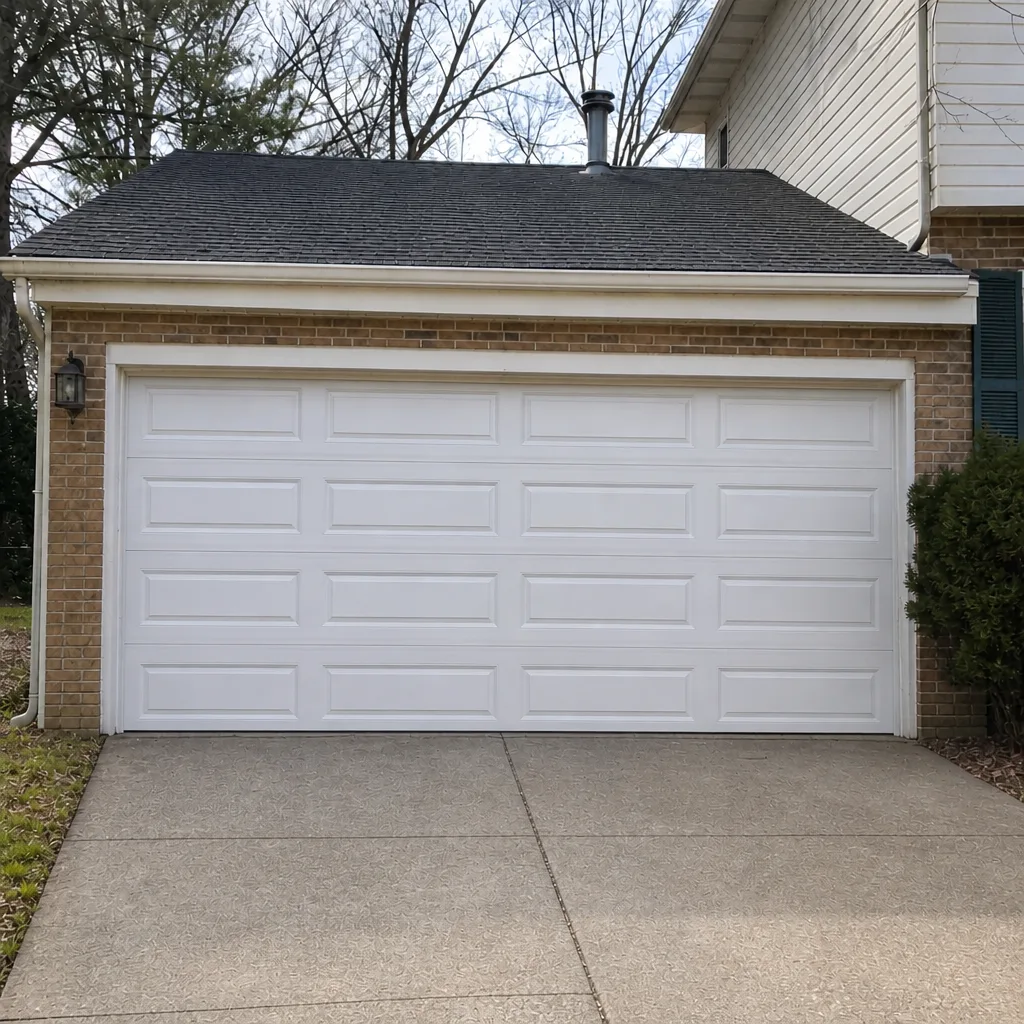 After
When to Call a Professional
Some issues can wait, but the ones below shouldn’t. Call a specialist if the door won’t open or close at all, if a spring is visibly snapped or stretched, if you hear a loud snap from the garage, or if the door feels unusually heavy when operated manually. Call if the opener runs but the door doesn’t move, if the door reverses without warning, if it stops partway, or if the opener motor sounds strained. Call if the door has come off one of its tracks or the panels are visibly out of alignment. And call if the door is louder than it used to be; a door that suddenly gets louder is usually telling you something. Arlington Garage Door Repair Experts offers free estimates in Arlington; call (844) 524-5950. We answer 24/7. Fast dispatch from 7am to 7pm, Sunday through Friday.
Frequently Asked Questions
A single spring replacement typically runs somewhere in the low-to-mid hundreds of dollars, and a matched pair, which is what most technicians will replace together, costs roughly twice that. The exact number depends on spring type, cycle rating, and the door’s weight, and the written estimate you receive sets the final price. Call (844) 524-5950 for an exact quote – estimates are free.
Yes, in practice. Garage door installation and repair falls under Virginia’s specialty contractor licensing, and you can verify a company’s classification and current status through the Virginia DPOR license lookup. Ask for the certificate of insurance as well, because a license doesn’t automatically mean the company is insured for garage door mechanical work specifically.
Often, yes. We handle repair and emergency work with same-day service where the schedule allows. Call (844) 524-5950 and describe what the door is doing. We answer 24/7, with fast dispatch from 7am to 7pm, Sunday through Friday. A call outside dispatch hours is booked into the next opening.
It shouldn’t. A written estimate is itemized before work starts, and the price you agree to is the price on the invoice. If a technician finds additional work that wasn’t visible in the initial diagnosis, that work should be quoted to you as a separate line item before it’s done, not added after the fact. Call (844) 524-5950 for an exact quote – estimates are free.
The local professionals we connect you with are licensed and insured as their state requires. Ask for the certificate of insurance before any work begins; a specialist will provide it without hesitation.
We service the brands most widely installed in Arlington homes, including LiftMaster, Chamberlain, Genie, Clopay, Amarr, Wayne Dalton, Craftsman, and Raynor. That matters because the right diagnostic and the right part are brand-specific on openers especially. If you have garage door opener repair needs, name your model when you call and we’ll confirm.
Estimates are free, and the price is set per job by the written estimate. Call (844) 524-5950 to schedule.
Yes, and it’s often the right call. If the opener is functional and the spring is what failed, replacing the spring alone is usually sufficient. If the opener has been running under strain because of the failed spring, it’s worth asking the technician to check the opener’s condition during the same visit. We handle garage door spring repair and opener work together precisely because those two failure points interact.
The Bottom Line
The question isn’t whether a contractor can show up. It’s whether they’re the right contractor for garage door mechanical work in the first place. Verify the license and the insurance certificate, ask the three phone questions, read reviews for patterns rather than stars, insist on a written estimate that itemizes parts, cycle rating, and warranty, and treat the lowest and highest quotes with equal scrutiny. In Arlington’s crowded service market, a specialist will clear all of those filters quickly, and a generalist will struggle on all of them. Our approach is to work the brand you already have, on the door, the opener, or the springs, with the same team. If you’re looking for a specialist, we’d like to be on the shortlist.
Contact
If you’d like to compare estimates or you’ve got a door that won’t move, call (844) 524-5950 for a free estimate. We answer 24/7. Fast dispatch from 7am to 7pm, Sunday through Friday. For more on what we do, see Arlington Garage Door Repair Experts. We work on the brand you already have, and garage doors are all we do.
Written by the team at Arlington Garage Door Repair Experts.