
Last updated November 20, 2026
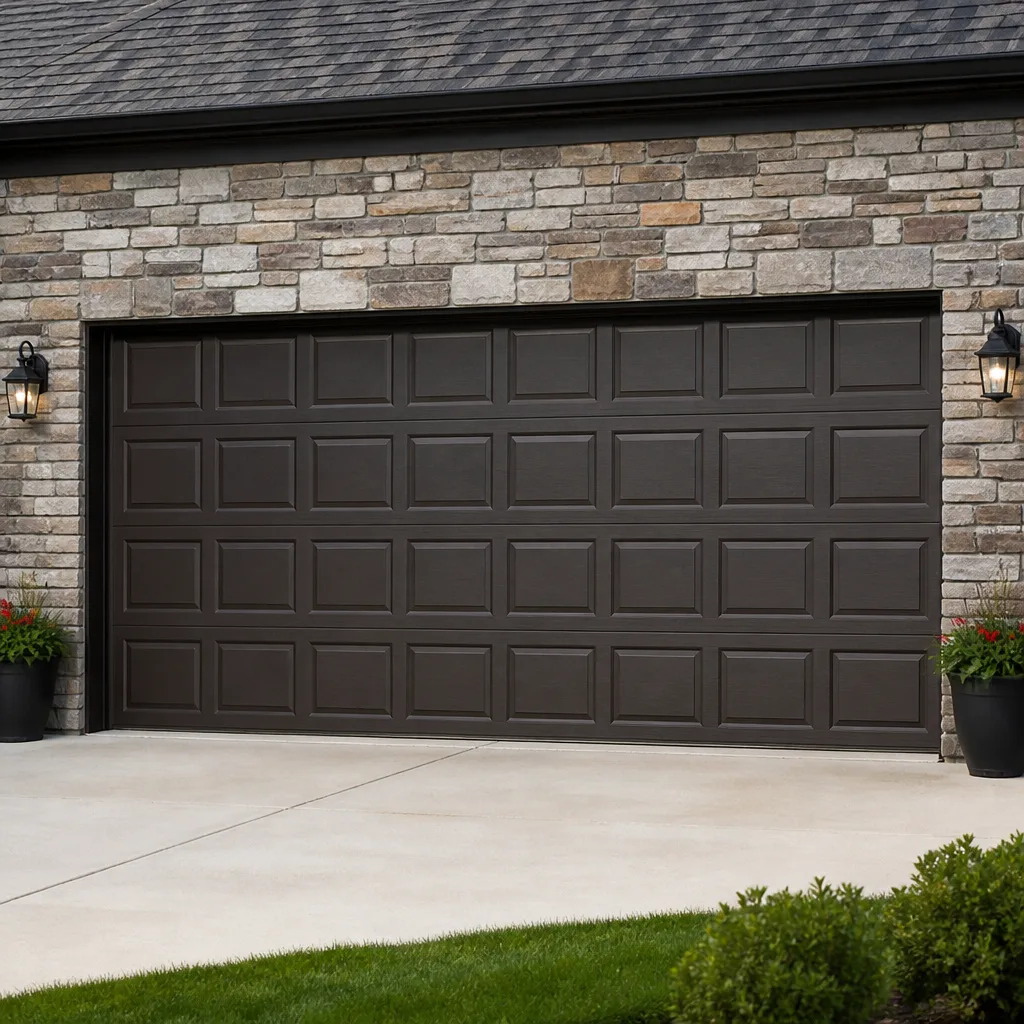 Raised-panel steel
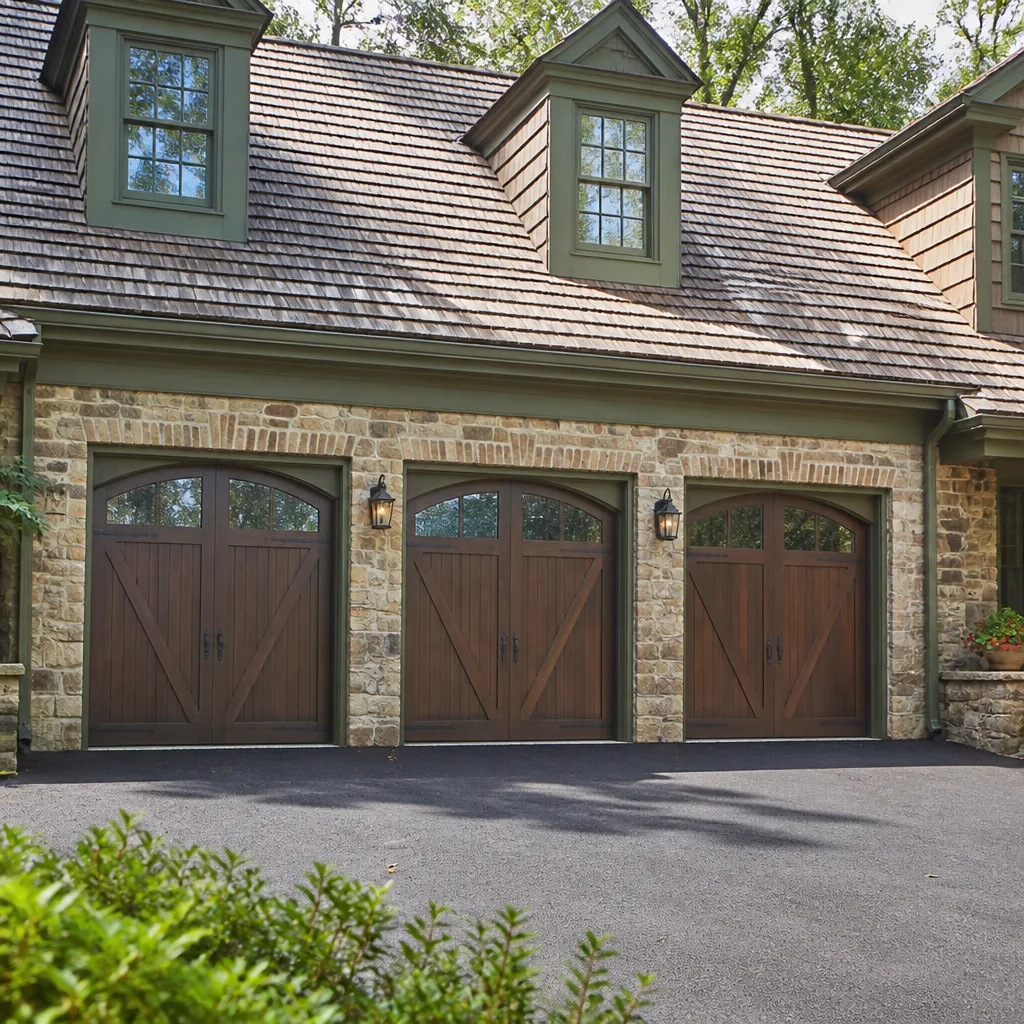 Carriage house
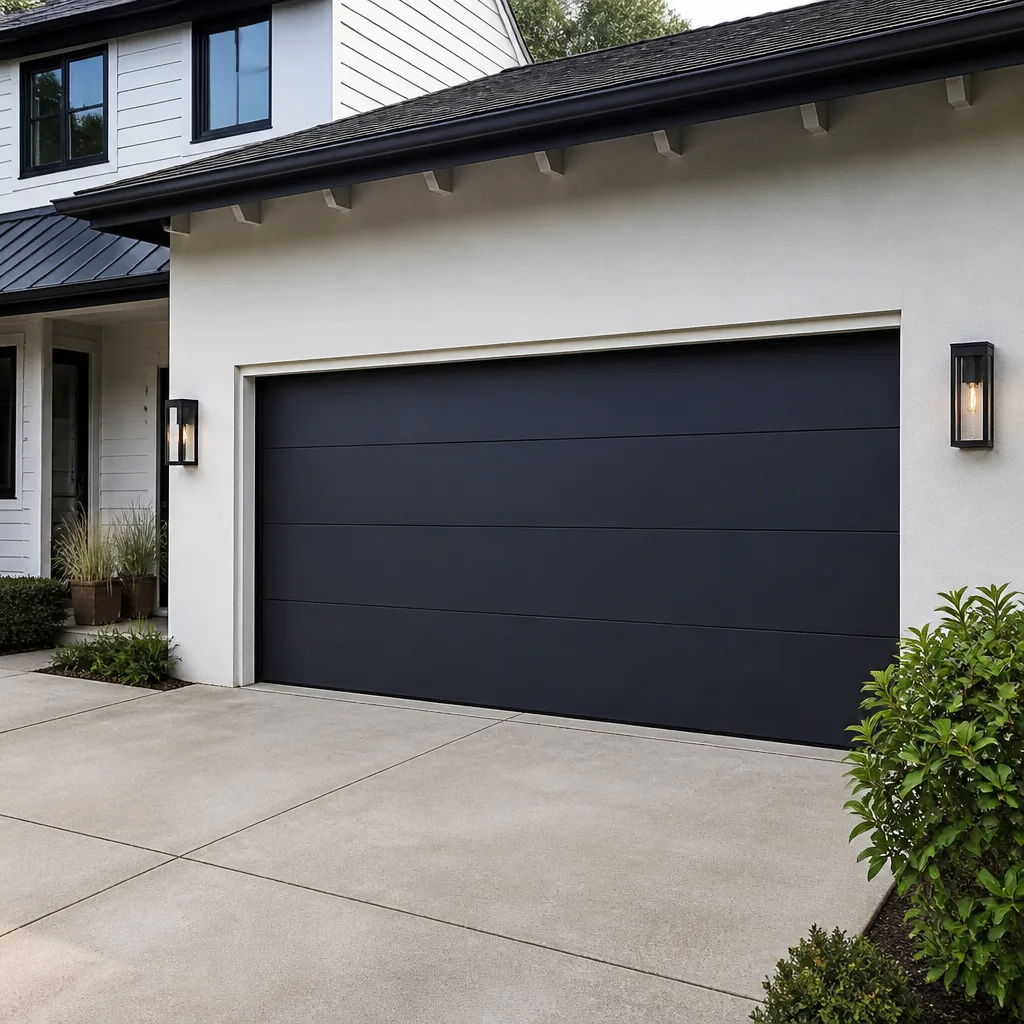 Modern flush
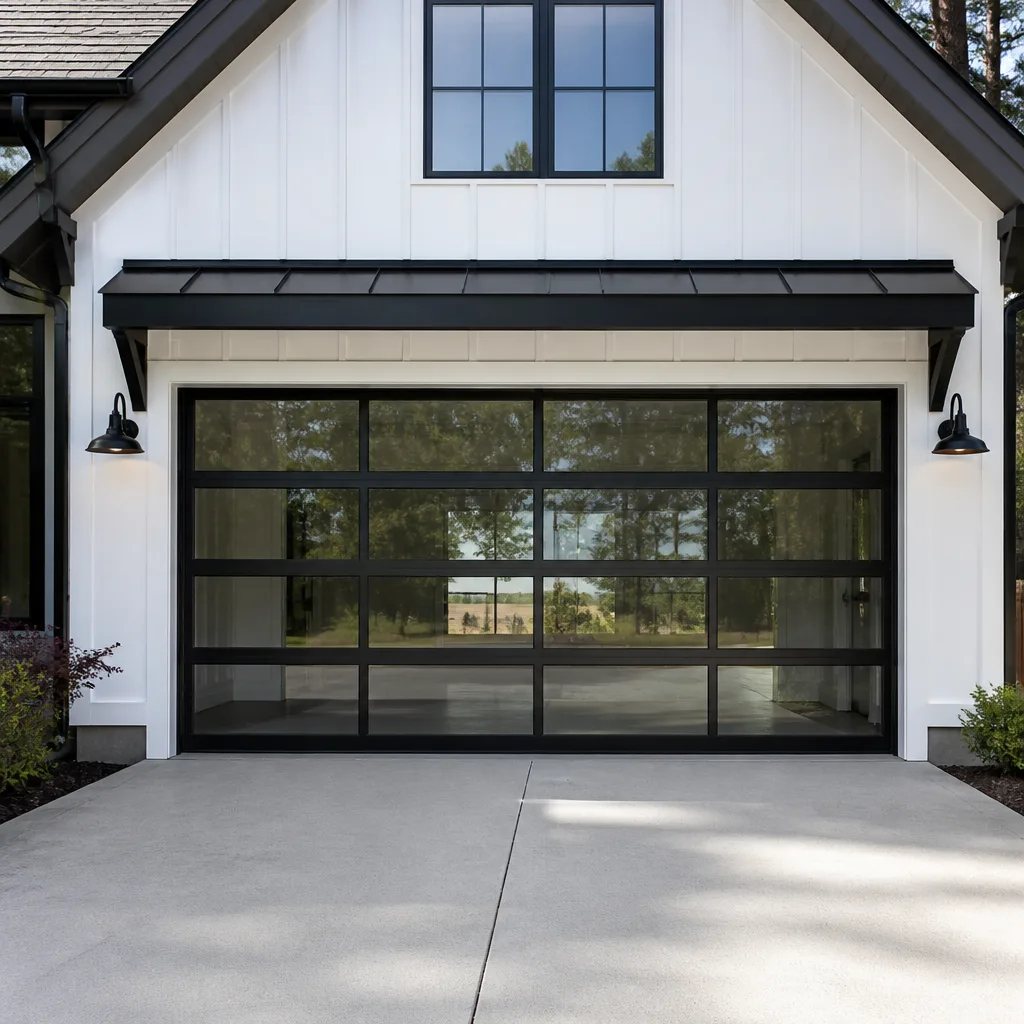 Full-view glass
 LiftMaster openers
 Chamberlain openers
Full 25-point door and opener safety check with every visit - springs, cables, rollers, tracks, and your LiftMaster or Chamberlain opener included
You get a price before we start. It does not change when the pro arrives.
Get your free estimateGarage Door Warning Signs: An Arlington Homeowner’s Reference Guide
A garage door that hesitates for half a second before it moves isn’t “getting old.” That pause usually means a torsion spring has lost enough tension that the opener motor is now doing work the spring should be doing. In our experience, that particular warning gives you roughly three to four weeks before the spring snaps or the motor burns out, whichever comes first. Most Arlington homeowners read the wrong signals, though. A door that’s “loud” can mean three completely different repairs. A door that needs two button presses isn’t a remote problem. This guide translates what technicians hear and see into plain language, so you can tell a nuisance from an emergency and act before a small fix turns into a major one.
Quick Answer
The most important garage door warning signs in Arlington are a door that hesitates or moves faster on one side (spring tension loss or a worn cable), a grinding or popping noise during travel (roller bearing or cable failure), and a door that reverses on its own without an obstruction (a sensor or balance problem). A frayed cable, a cracked bottom section, or a door that won’t stay fully open are same-day safety issues. Most other signs give you a few weeks to schedule a repair.
Styles & brands we work with
- Raised-panel steel
- Carriage house
- Modern flush
- Full-view glass
- LiftMaster openers
- Chamberlain openers
Table of Contents
- What the Sounds Are Telling You
- Reading Your Door’s Movement
- Visual Signs: What’s Urgent and What Can Wait
- When Opener Behavior Points to a Mechanical Problem
- The Sign Homeowners Always Misread
- How Arlington Weather and Housing Shape These Failures
- Same-Day vs. Scheduled: A Triage Guide
- Common Mistakes to Avoid
What the Sounds Are Telling You
“It’s loud” is the most common phrase we hear on the phone, and it’s almost useless on its own. Three very different failures all get described that way, each with a distinct signature. If you can name the sound, you can usually predict the repair before anyone shows up.
- Grinding. A steady grinding noise as the door travels up or down usually points to roller bearings that have dried out or seized. The roller stops rolling and starts dragging along the track. This is often the least expensive of the three to fix if you catch it early, because the roller hasn’t yet worn the track itself. Left alone, a seized roller can carve a groove into the track and turn a roller swap into a track replacement.
- Popping. A sharp pop or snap that repeats at the same point in the door’s travel is typically a cable jumping its drum. The drum is the grooved spool at the top corners of the door, and the cable is supposed to seat in it evenly. When a cable frays or slips, it catches and releases, which you hear as a pop. This one deserves a prompt call, because a cable that fully comes off the drum lets the door drop on one side.
- Banging. A single loud bang followed by the door refusing to move, or moving with a heavy lurch, usually means a torsion spring has broken and released its stored tension. That bang is the sound of energy leaving the system all at once. Stop using the door at that point and call for spring work rather than cycling the opener to “see if it clears.”
In Arlington homes, the grinding variety is the most common of the three, mostly because rollers dry out quietly over years of use and no one thinks to check them. Popping and banging come through more often on colder mornings, when aged springs are at their most brittle.
Reading Your Door’s Movement
Watch your door through one full cycle with the opener disengaged or the door simply running. The way it moves tells you more than any single sound. Here’s what each movement pattern points to.
A door that moves faster on one side
If one side of the door climbs ahead of the other, you’re looking at a balance problem. That’s either uneven spring tension, a stretched or frayed cable on one side, or a roller binding in the track. It matters because an unbalanced door puts twisting force on the panels and the opener’s rail. On a wide two-car door, especially, that stress shows up as panel cracks at the corners long before the door fails outright.
A door that jerks mid-travel
A door that moves smoothly, stutters, then moves again is usually fighting a mechanical bind: a bent track, a worn hinge, or a roller that’s popped out of the track. Jerking isn’t dangerous on its own, but it accelerates wear on every other part because the whole system absorbs the shock.
A door that stops and reverses without an obstruction
Modern openers are set up to reverse when they meet resistance. If nothing is in the way and the door still reverses, the opener is likely misreading resistance coming from the door itself: a stiff roller, a dragging track, or a spring that’s too weak to let the door move freely. It can also be a safety sensor issue, so check that both sensor eyes at the floor line have a clear path and no cobwebs. If the sensors are clean and aligned and the door still reverses, the door’s mechanical condition is the next thing to evaluate.
Visual Signs: What’s Urgent and What Can Wait
Not every visible problem carries the same urgency. Some are cosmetic or slow-moving, and some mean you should stop using the door today. Here’s how we sort them when we’re diagnosing a garage door repair call.
Signs that need same-day attention
- A frayed or broken cable. Look at the cables that run along the sides of the door. If strands are separated, the cable is hanging loose, or it’s come off its drum, stop operating the door. A cable carries the full weight of the door on one side, and a failure can drop the door without warning.
- A door that won’t stay fully open. If the door drifts back down when you let it go, the spring system isn’t holding the weight it should. This is a spring problem with a clear safety edge.
- A visibly bent track. A bent vertical or horizontal track can let a roller escape and the door come off its guide. Don’t force it through.
- A cracked bottom section near a lift point. If the panel is splitting right where the door is being lifted, the section can tear free. Treat it as an immediate concern.
Signs that can wait for a scheduled appointment
- A single cracked panel not at a stress point. Cosmetic cracking in a Clopay or Amarr panel away from hinges and lift points is usually a repair you can schedule rather than rush.
- Slowly worsening noise. A grinding that’s been building for weeks is worth booking, but it’s rarely a today-or-never situation unless it’s accompanied by the movement problems above.
- Weatherstripping that’s torn or flattened. That’s a comfort and draft issue, not a safety one. Plan it for a normal service visit.
- Peeling paint or fading. On an Arlington door facing the street, sun exposure can do this over time. It’s cosmetic.
When Opener Behavior Points to a Mechanical Problem
A garage door opener gets blamed for everything. In reality, opener symptoms are often the most accurate window into the door’s mechanical health, because the opener is the thing that fights the door every time it moves. Two specific behaviors stand out.
Why a door that needs two button presses is a spring problem
If a door has always closed with one press and suddenly needs two, most homeowners assume the remote battery is dying. It’s a reasonable guess, and it’s occasionally right. But more often, the door has gained resistance. A spring that’s lost tension makes the door heavier, and the opener’s force limit is registering that weight. The first press runs into enough resistance to trip the safety setting, and the second press (or a fresh press from a different angle) nudges it through. Test it by disconnecting the opener and lifting the door by hand. If it’s noticeably heavy, the springs are the story, not the remote. If you’re on a LiftMaster or Chamberlain opener with a battery backup and the door acts intermittent, the remote is worth checking too, but do the manual lift test first.
Why a Genie or older opener that runs but the door doesn’t move is a mechanical failure
When the opener motor turns but the door sits still, the disconnect has been pulled, the drive gear has stripped, or the drive belt or chain has broken. That’s an opener problem. When the motor strains and shuts off, that’s usually the door. Learning which one you’re hearing saves time on the phone. If the opener is the issue, we can take a look at garage door opener repair and tell you what’s going on with the motor.
The Sign Homeowners Always Misread
If you pull the opener’s release cord and lift your door by hand, you should be able to raise it with one hand and have it stay put partway up. A balanced door takes some effort to start and then feels light through the rest of the lift. If the door feels heavy, wants to fall back down, or takes both hands and real effort to raise, the springs are failing. Almost every time, homeowners describe that feeling as “the door just needs some oil.”
Oil will quiet a roller. It will not restore spring tension. Springs deliver the counterbalance that makes a door liftable in the first place. When they lose tension, the opener (or your back) does the whole job alone. You can test this safely in about a minute:
- Close the door fully.
- Pull the red release cord to disengage the opener. The door may drop slightly; that’s a sign in itself.
- Lift the door about halfway by hand, then let it rest. A balanced door should stay near where you left it. A door that slides back down means the springs aren’t holding.
- Re-engage the opener by running it and letting the carriage reconnect.
Do that lift test, not a tension adjustment. Torsion springs are under high tension and can cause serious injury if handled without the right tools and training. Spring work is not a homeowner job, and we say that plainly because we’ve seen what happens when it’s attempted. If the door feels heavy, call about garage door spring repair and leave the springs alone.
How Arlington Weather and Housing Shape These Failures
Arlington’s mix of older brick and postwar homes, dense townhome rows, and newer construction along the Rosslyn-Ballston corridor produces a fairly predictable set of garage door failure patterns. The neighborhood tells you a lot before anyone arrives. In the townhome rows around Clarendon and Virginia Square, the tight side clearances mean track damage from cars is more common, and single-car doors tend to wear springs faster than wide doors because they cycle more per day. In the older single-family homes around Ashton Heights and Lyon Park, we see more original or long-untouched hardware: hinges, rollers, and cables that have simply outlived their intended life. Out toward Westover and the more wooded blocks near Arlington, leaf litter and debris blowing into tracks and sensor eyes cause more false reversals than any hardware failure.
The region’s swings between hot, humid summers and cold snaps matter too. Heat softens and ages the lubricant on rollers and can warp a wood or steel panel slightly, throwing off the balance. Cold mornings tighten metal, make aged springs more brittle, and are when a spring that’s been slowly losing tension is most likely to snap. You’ll notice the popping and banging complaints cluster in the colder stretches of the year. If your door sounds worse in January than it did in October, that’s climate, not imagination.
Same-Day vs. Scheduled: A Triage Guide
Sorting warning signs by urgency is the single most useful habit for an Arlington homeowner. Use this to decide whether you’re making a phone call today or booking an appointment.
Same-day-worthy (stop using the door and call)
- A loud bang followed by a door that won’t move.
- A frayed, hanging, or off-drum cable.
- A door that drifts back down when left partway up.
- A bent track that’s letting the door leave its guides.
- A door that reverses or stops without any obstruction after a clean sensor check.
Schedule within the week or two
- New or worsening grinding noise with a door that still moves evenly.
- A door that needs a second button press but lifts by hand with reasonable effort.
- A cracked panel away from lift points.
- Loose or worn hinges producing a mild rattle.
Handle at your convenience
- Weatherstripping replacement.
- Peeling paint or fading.
- Cosmetic dents that don’t affect operation.
- Noisy rollers you’re planning to address with your next scheduled service.
For anything in that first list, whether it’s the door, the motor, or the springs, call us at (844) 524-5950. We answer 24/7. Fast dispatch from 7am to 7pm, Sunday through Friday. The estimate is free and the price is agreed before any work starts.
Common Mistakes to Avoid
- Repeatedly cycling the door to “see if it clears.” If a spring has broken or a cable has jumped, every press of the button puts the full weight of the door on a failing component. Stop using it and call. In Arlington, that’s often the difference between a straight spring repair and a spring plus opener replacement.
- Oiling the springs to fix a heavy door. Lubricating a torsion spring doesn’t restore tension, and it doesn’t make a heavy door balanced. A door that lifts heavy by hand has a spring problem, and oiling it just delays the call.
- Blaming the remote for a two-press close. Before you swap batteries or reprogram a Genie or Chamberlain remote, do the manual lift test. If the door is heavy, the remote is fine and the springs aren’t.
- Adjusting the opener’s force limit to force a struggling door through its cycle. Raising the force setting can hide the problem by over-driving the motor, and it can defeat a safety reversal that’s protecting someone. Leave the force limit alone.
- Treating a cracked panel near a lift point as cosmetic. A crack at a hinge or lift point can grow into a tear that lets the section break free under load. That’s a same-day call, not a next-visit item.
- Ignoring a single loud pop. A pop that repeats at the same point is a cable catching on the drum. A homeowner often hears it once, decides the door is fine, and then has a door drop on one side weeks later. Have it checked when you first hear it.
- Letting track debris build up in Arlington’s leaf season. Leaves and grit in the track produce grinding noises that mimic a roller failure. Clearing the tracks is a plain maintenance habit worth keeping on this region’s wooded blocks, but if the noise persists after cleaning, it’s hardware.
See the difference
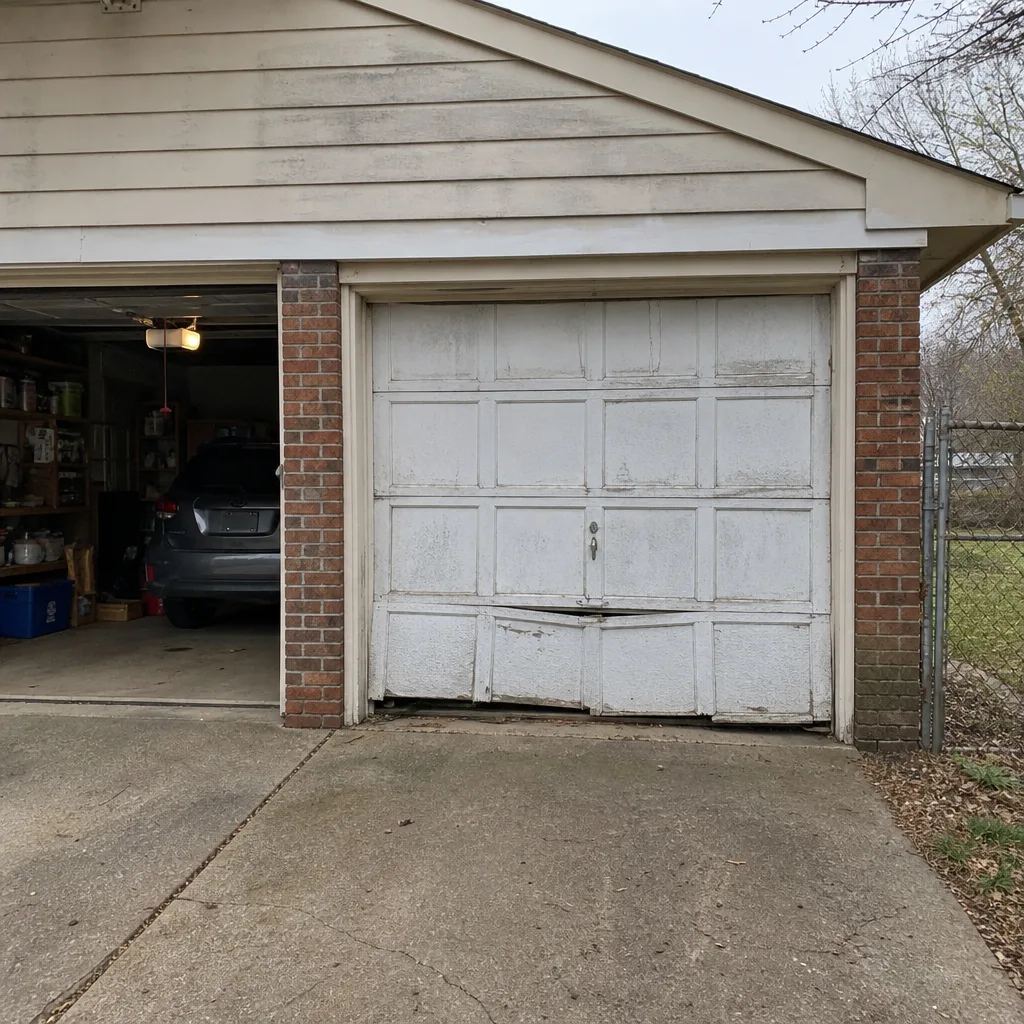 Before
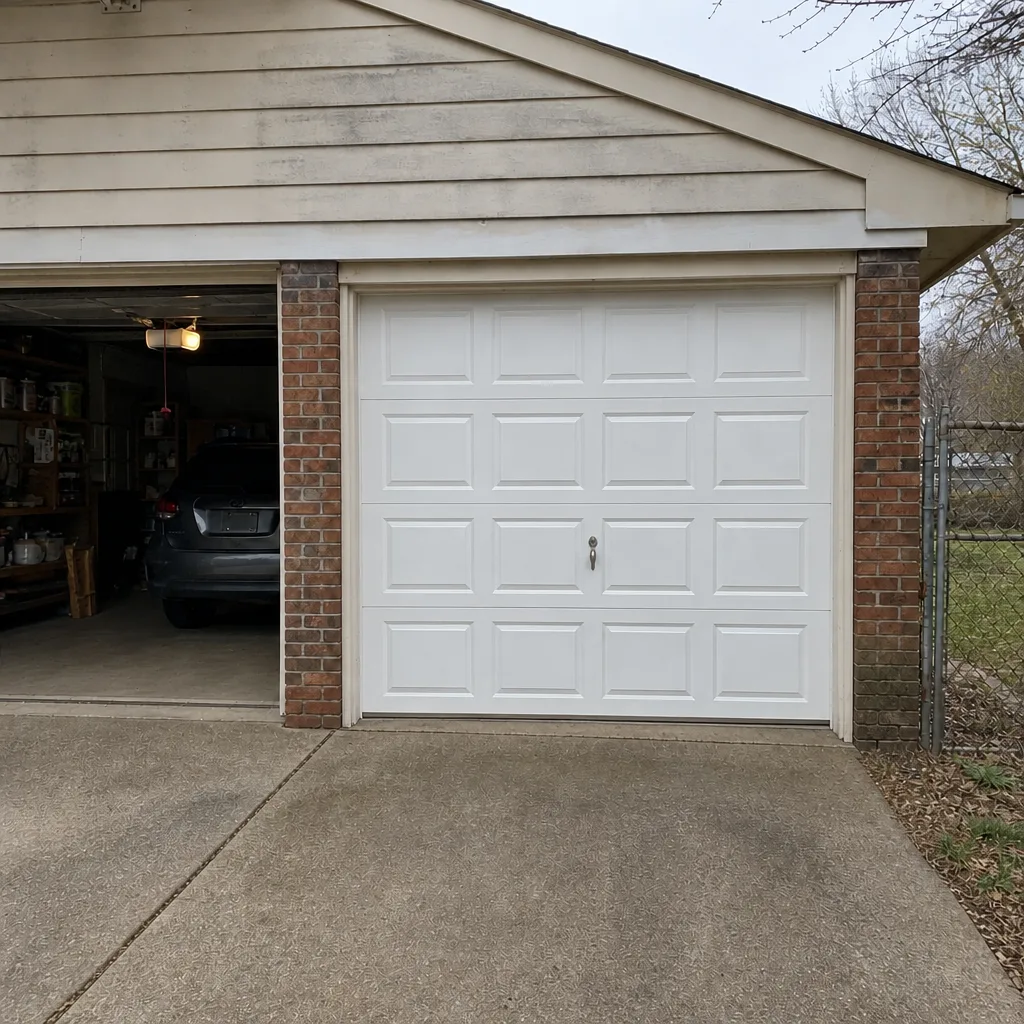 After
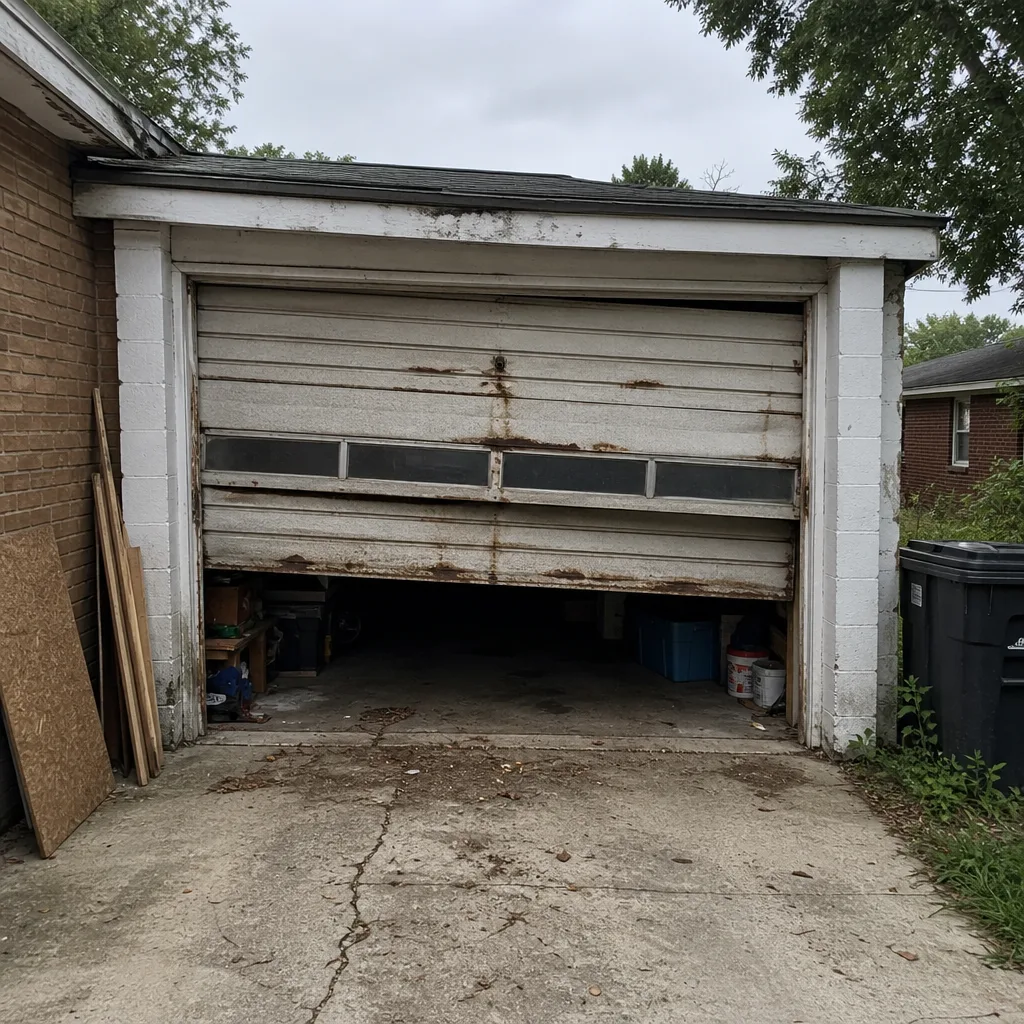 Before
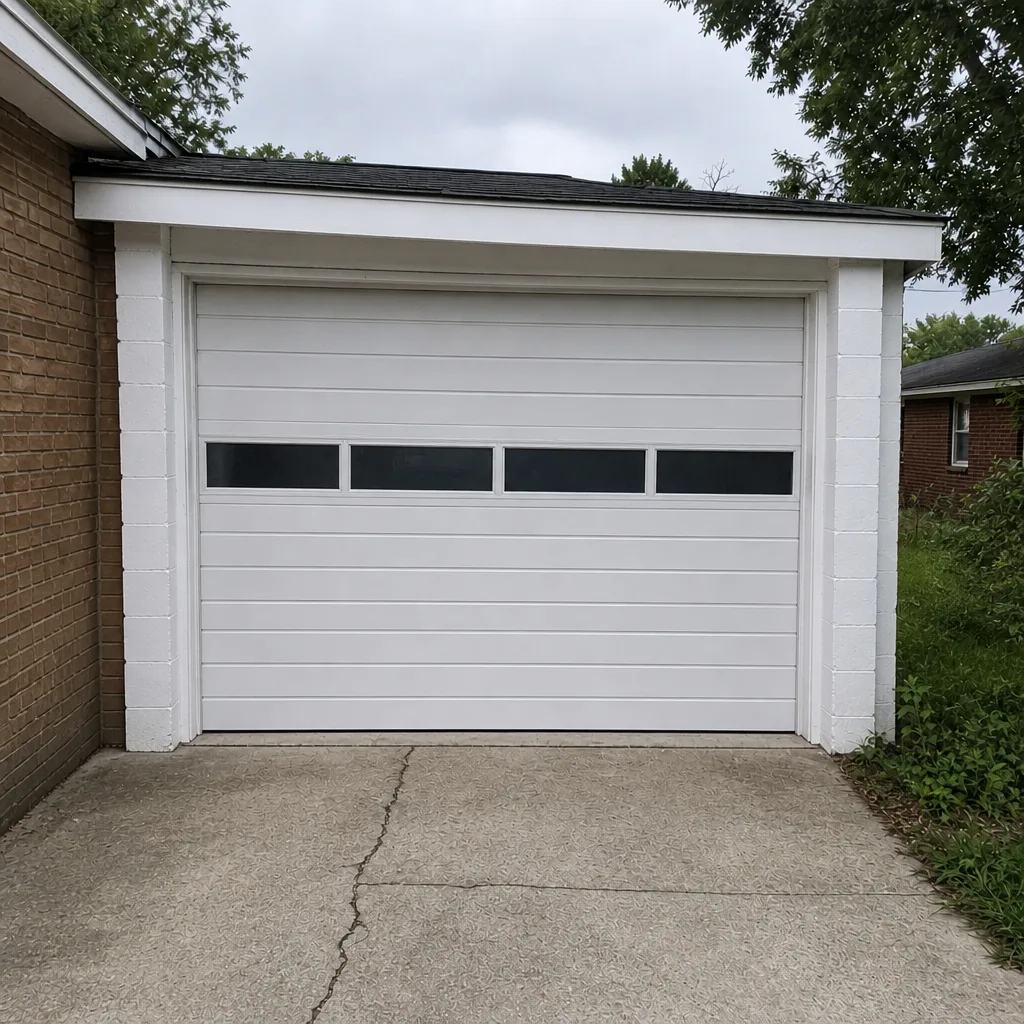 After
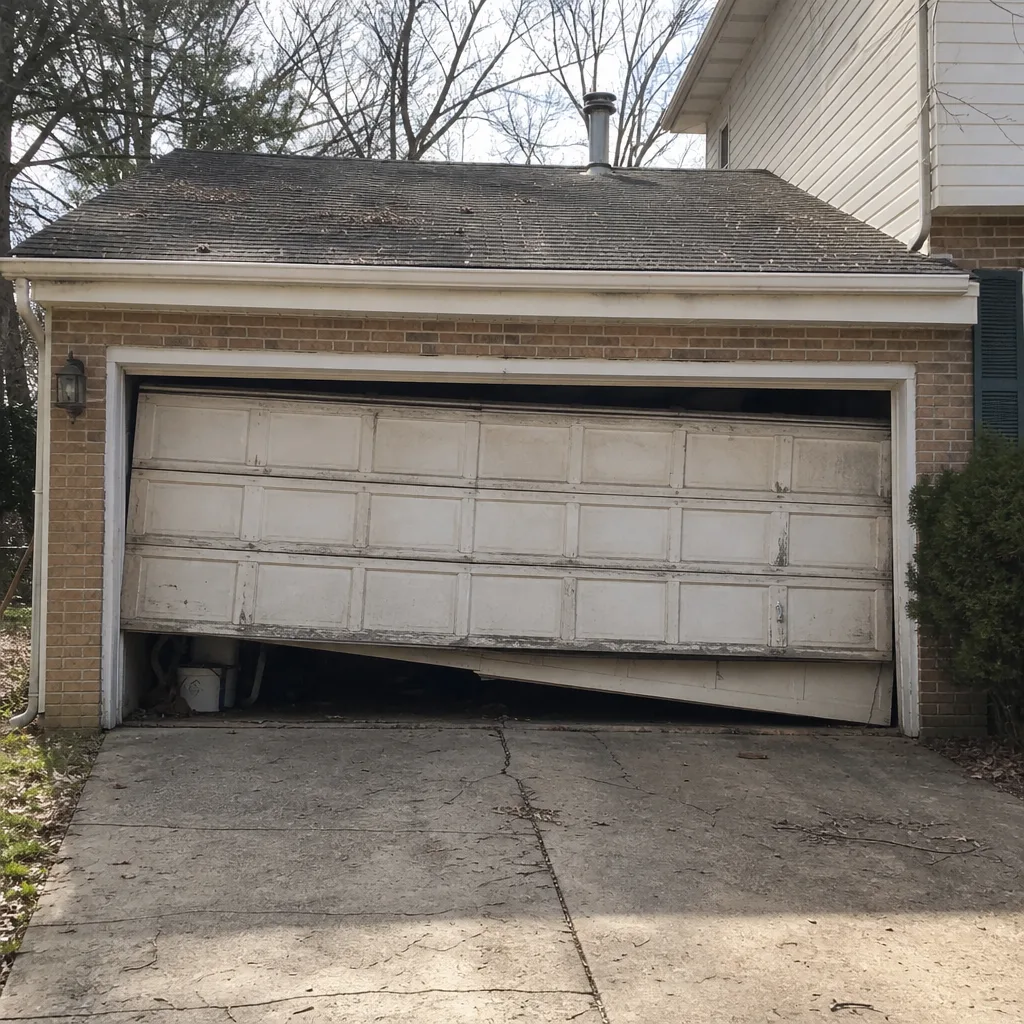 Before
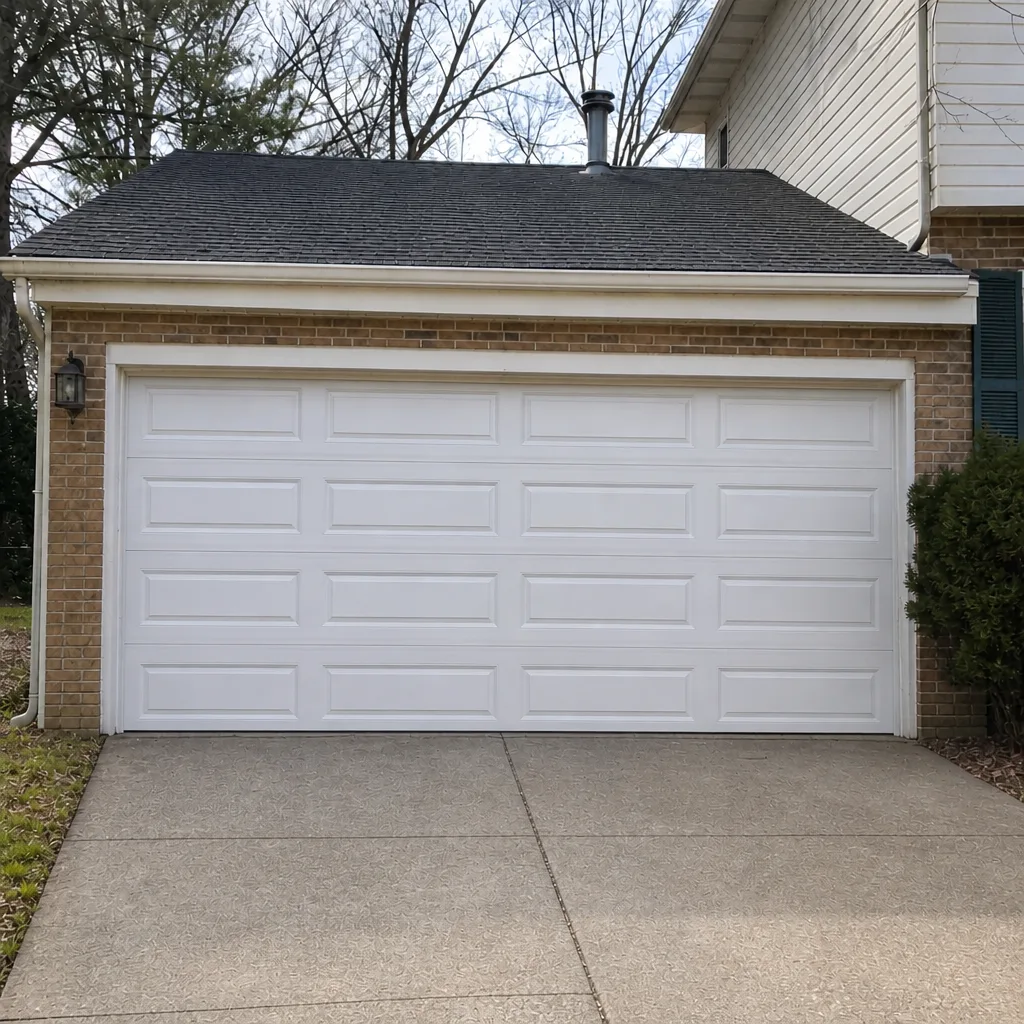 After
When to Call a Professional
Call a professional for anything involving springs or cables, for a door that won’t stay up or reverses without an obstruction, for a bent track that’s letting the door escape its guides, and for any opener that runs but doesn’t move the door. These are the diagnostics where getting it right the first time matters: the right part, fitted correctly, on the right system. We can help with that across the brands you’re most likely to have, whether it’s a Clopay or Amarr door, a LiftMaster or Chamberlain opener, or a Genie or Craftsman system. Springs, openers, panels: one call covers it all, because garage doors are all we do. Arlington Garage Door Repair Experts offers free estimates in Arlington. Call (844) 524-5950. We answer 24/7. Fast dispatch from 7am to 7pm, Sunday through Friday. Our technicians have up to 10 years of experience, and the price is quoted and agreed before any work starts.
Frequently Asked Questions
The most common warning signs in Arlington are grinding or popping during travel, a door that hesitates or moves faster on one side, a door that reverses without an obstruction, and a door that feels heavy when lifted by hand. Grinding usually means worn rollers, popping usually means a cable catching on its drum, and a heavy manual lift means the springs are losing tension. Call (844) 524-5950 for a free estimate if you spot any of them.
Spring repair is priced per job from a written estimate, and the price you agree to before work begins is the price you pay. A single torsion or extension spring is replaced on its own only in rare cases; matched pairs are usually the right call, so budget for a pair rather than one spring. Call (844) 524-5950 for an exact quote. Estimates are free.
No. Torsion and extension springs are under high tension and can release with enough force to cause serious injury. Tools, winding procedures, and training all matter, and a mistake on a torsion spring can be dangerous even for an experienced homeowner. Treat spring work as specialist work.
Usually not. A door that suddenly needs a second press to close is typically showing spring tension loss: the door has become heavier, and the opener’s force limit registers it on the first press. Disengage the opener and lift the door by hand. If it feels heavy, the problem is the springs, not the remote. Call (844) 524-5950 and we can confirm.
Never ignore a loud bang followed by a door that won’t move, a frayed or off-drum cable, a door that drifts back down when left partly open, or a bent track that’s letting the door leave its guides. Those are same-day safety calls, not scheduled maintenance. If you hear one of those, call (844) 524-5950. We answer 24/7.
We work on the brand you already have. That includes door and opener systems from LiftMaster, Chamberlain, Genie, Clopay, Amarr, Wayne Dalton, Craftsman, and Raynor. Fast diagnosis starts with recognizing how your specific brand and model behaves, and we come to the job prepared for all of them. Call (844) 524-5950 for an exact quote if you’re not sure.
The Bottom Line
Garage doors rarely fail without notice. They give you signs: a hesitation, a grinding note, a pop at the same spot on the track, a door that needs two button presses, a door that lifts heavy by hand. The skill is knowing which sign is a scheduled repair and which is a stop-and-call. A cracked bottom section away from a stress point can wait. A frayed cable or a door that won’t hold itself open cannot. The most misread sign is the one that feels like a little lubrication will fix it: a heavy manual lift means the springs are done. For an exact quote on what’s going on with your door in Arlington, call (844) 524-5950. We answer 24/7. Fast dispatch from 7am to 7pm, Sunday through Friday. Estimates are free, and the price is quoted and agreed before any work starts.
If you’d like more on how we handle garage door repair across the county and how a typical job goes, our main pages cover it. For the full picture of who we are, see Arlington Garage Door Repair Experts.
Written by the team at Arlington Garage Door Repair Experts.